
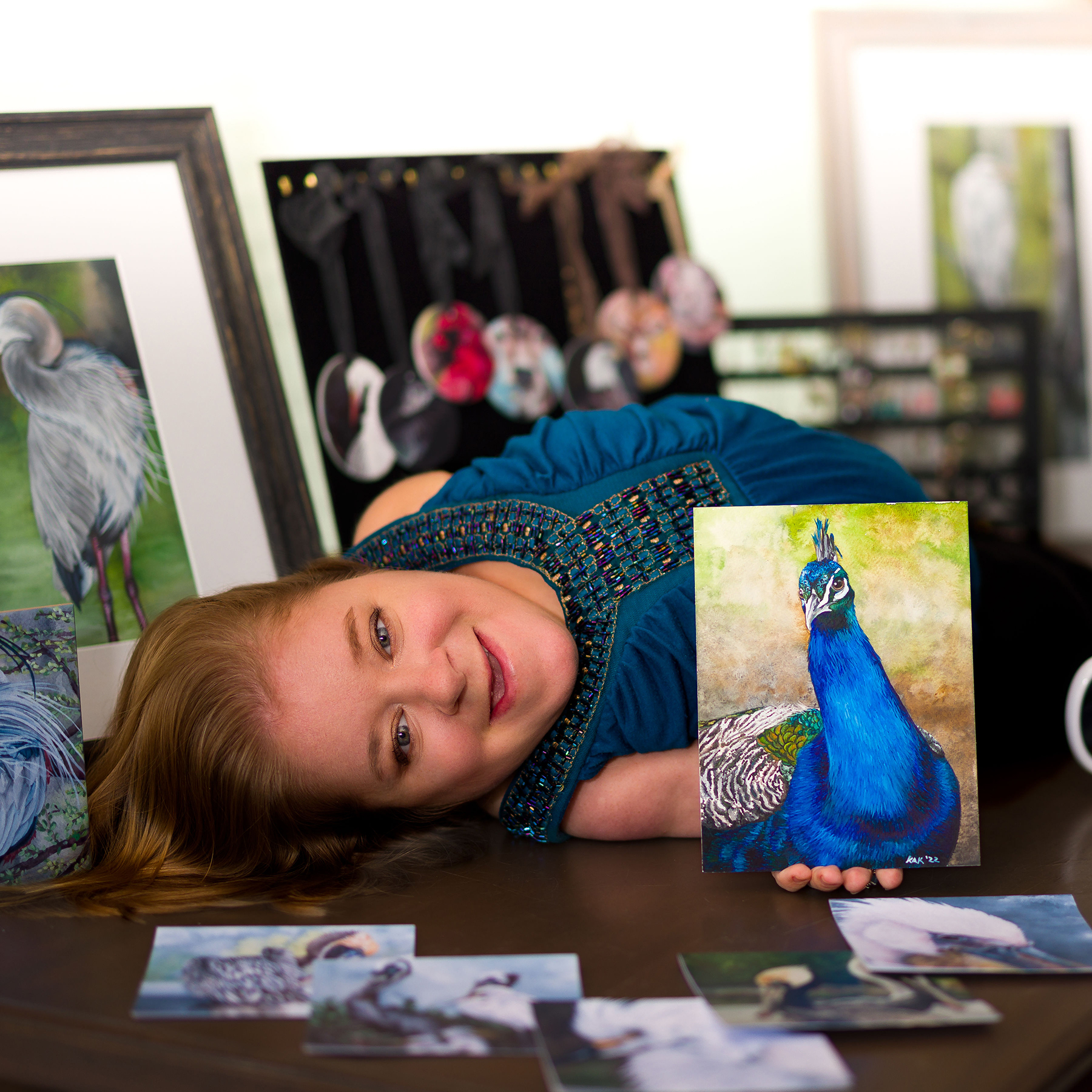
When I first went to college, I was convinced that I was going to become a fine artist.
Art had always been a huge part of my life, and pursuing a degree in fine art seemed like the obvious path. I enrolled as a Fine Arts major at Loyola University New Orleans and spent my freshman year completing all of the required foundation courses. I loved painting, drawing, and exploring different artistic techniques.
Then reality set in.
It didn’t take long for me to realize why people often talk about “starving artists.”
The truth is that making a living as a professional fine artist is incredibly challenging. Most successful artists will tell you that they create far more work than they actually sell. In many cases, you may need to produce ten times the amount of artwork that ultimately generates income.
For me, that presented a unique challenge.
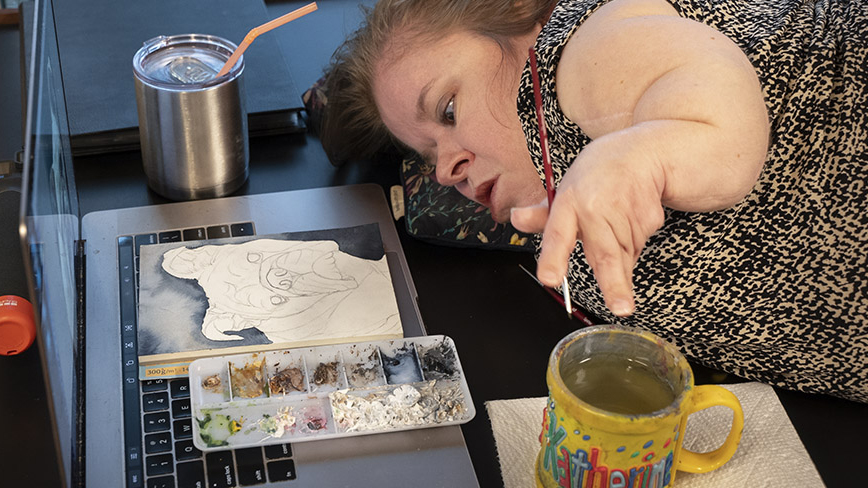
Because I have Osteogenesis Imperfecta (OI), a genetic condition that affects bone strength and mobility, physical endurance has always been something I have to carefully manage. Creating artwork is physically demanding, especially large-scale paintings or a high volume of pieces. I quickly realized that producing enough artwork to support myself financially would be difficult, if not impossible, at the pace required by the traditional fine art market.
Fortunately, I came to that realization early.
At the beginning of my sophomore year, I switched my major from Fine Art to Graphic Design. Luckily, the programs shared many of the same prerequisites, so I wasn’t behind academically and was able to transition smoothly.
That decision ended up shaping my entire career.
Building a Career in Graphic Design
Graphic design opened the door to a completely different side of creativity.
Instead of creating artwork solely for galleries or collectors, I began learning how to solve problems visually. I studied branding, marketing, advertising, web design, motion graphics, and visual communication.
Graphic design taught me how to create work with a specific purpose.
Whether it’s a logo, a social media campaign, a website, a flyer, or a marketing brochure, every design project has a goal. You’re communicating a message, telling a story, or helping a business connect with its audience.
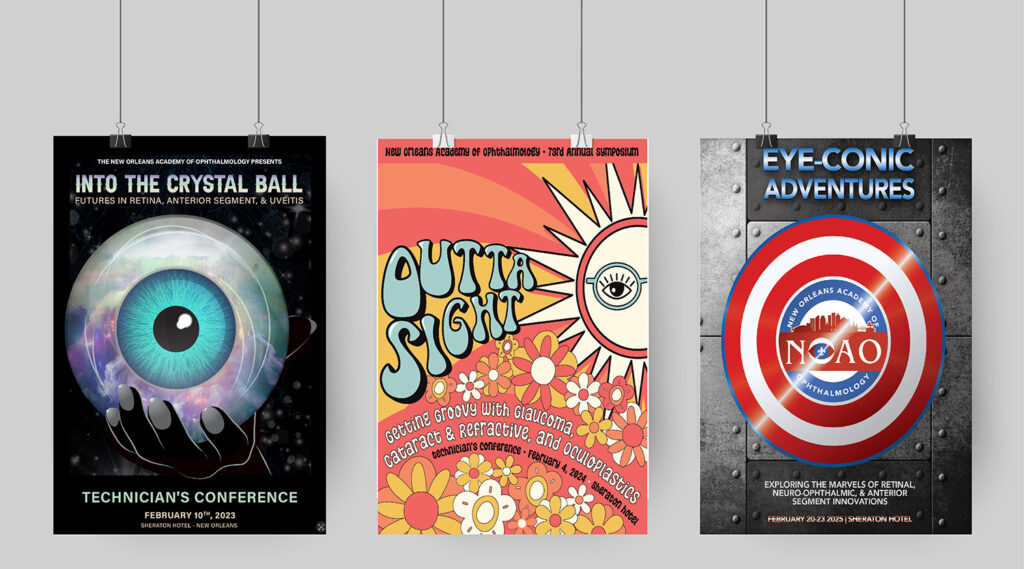
Today, much of my professional work still revolves around design. I work with clients on branding, social media marketing, websites, print materials, and other creative projects. Graphic design has become the foundation of my business and provides the stability that allows me to continue pursuing my passion for painting.
Fine Art vs. Graphic Design: Freedom vs. Structure
People often assume that painting and graphic design are basically the same thing.
In reality, they exercise completely different parts of my brain.
The biggest difference between the two is freedom.
In graphic design, there are rules.
Every project has specifications. A design needs to fit within a particular size, ratio, or layout. It needs to communicate a specific message. Colors, typography, spacing, and composition all work together to guide the viewer toward a particular conclusion.
Good design is intentional.
Painting is different.
With fine art, there is much more room for interpretation. In fact, one of my favorite things about painting is that two people can look at the exact same piece and walk away with completely different experiences.
Neither person is wrong.
Art allows for ambiguity. It invites personal interpretation. It encourages emotion, imagination, and curiosity.
If a tree is slightly larger than it would be in real life, that’s okay. If a color is exaggerated, that’s okay too. Fine art gives me permission to take creative risks and follow my instincts in ways that commercial design often doesn’t.
Why Doing Both Works for Me
For a long time, I viewed graphic design as the practical choice and painting as the passion.
Now I see them as complementary.
Graphic design provides structure, problem-solving, and strategic thinking. Painting provides freedom, exploration, and self-expression.
One challenges my analytical side, while the other feeds my creative spirit.
Would I love to reach a point where my paintings alone could support me financially?
Of course.
That’s probably every artist’s dream.
But I also appreciate the balance that comes from doing both. Working in design allows me to help businesses tell their stories, while painting allows me to tell my own.
As someone living with Osteogenesis Imperfecta, I’ve learned that success doesn’t always come from following the traditional path. Sometimes it comes from adapting, finding creative solutions, and building a career that works with your strengths rather than against them.
For me, that meant embracing both sides of my creativity.
And honestly, I wouldn’t have it any other way.