
UPDATE: September 24, 2026
I have a very happy update to this story!
Today, the restaurant reached out to me. They apologized profusely for what happened, thanked me for bringing the accessibility issue to their attention and, best of all, they bought the ramps!
I cannot tell you how excited that makes me.
When I originally wrote this blog, I was frustrated not only by what happened at dinner, but also because I felt like my concerns hadn’t been heard. I wasn’t looking to attack the restaurant or cause problems. I wanted them to understand how something that might seem relatively small had such a significant impact on my experience.
And they listened.
Now, the next person who comes into that restaurant using a wheelchair won’t necessarily have to experience what I did. They’ll have a way to get into that room with their wheelchair, maintain their independence and simply enjoy dinner with everyone else.
That makes speaking up completely worth it.
I also think the restaurant deserves a lot of credit. It’s easy to get defensive when someone points out a problem with your business. It’s much harder to say, “You’re right. We can do better,” and then actually do something about it.
They did.
I really liked this restaurant before all of this happened, which was part of why the experience was so disappointing. Now, I’m genuinely excited to go back.
Sometimes accessibility requires complicated solutions. Sometimes it requires major renovations and significant expense.
And sometimes, someone just needs to point out the problem, someone else needs to listen, and a couple of ramps can make a real difference.
Good for this restaurant for listening and doing the right thing.
And I’m pretty darn excited that speaking up made a difference.
ORIGINAL POST 9/22/26 Last weekend, a group of my neighbors and I went out to dinner to celebrate one of our neighbor’s birthdays. We went to a Mexican restaurant not far from my house that I actually really like. We order takeout from there pretty regularly, and I’ve eaten inside the restaurant plenty of times.
I had never been there with a large group before, though.
That’s when I discovered that the restaurant’s party room, located in the back, isn’t wheelchair accessible.
To get to it, you have to go up two steps, through another room, and then down two more steps. There is no ramp and no alternate accessible entrance.
Now, I understand that accessibility can be complicated. There are old buildings, historic buildings and spaces where making major structural changes may be difficult or even impossible. I know that not every accessibility problem has a simple solution.
But this one did.
We’re talking about two steps. A portable four-foot wheelchair ramp costs around $150, sometimes less. I know because we have several ramps at home. One relatively small purchase could have made that room accessible to me and potentially many other wheelchair users.
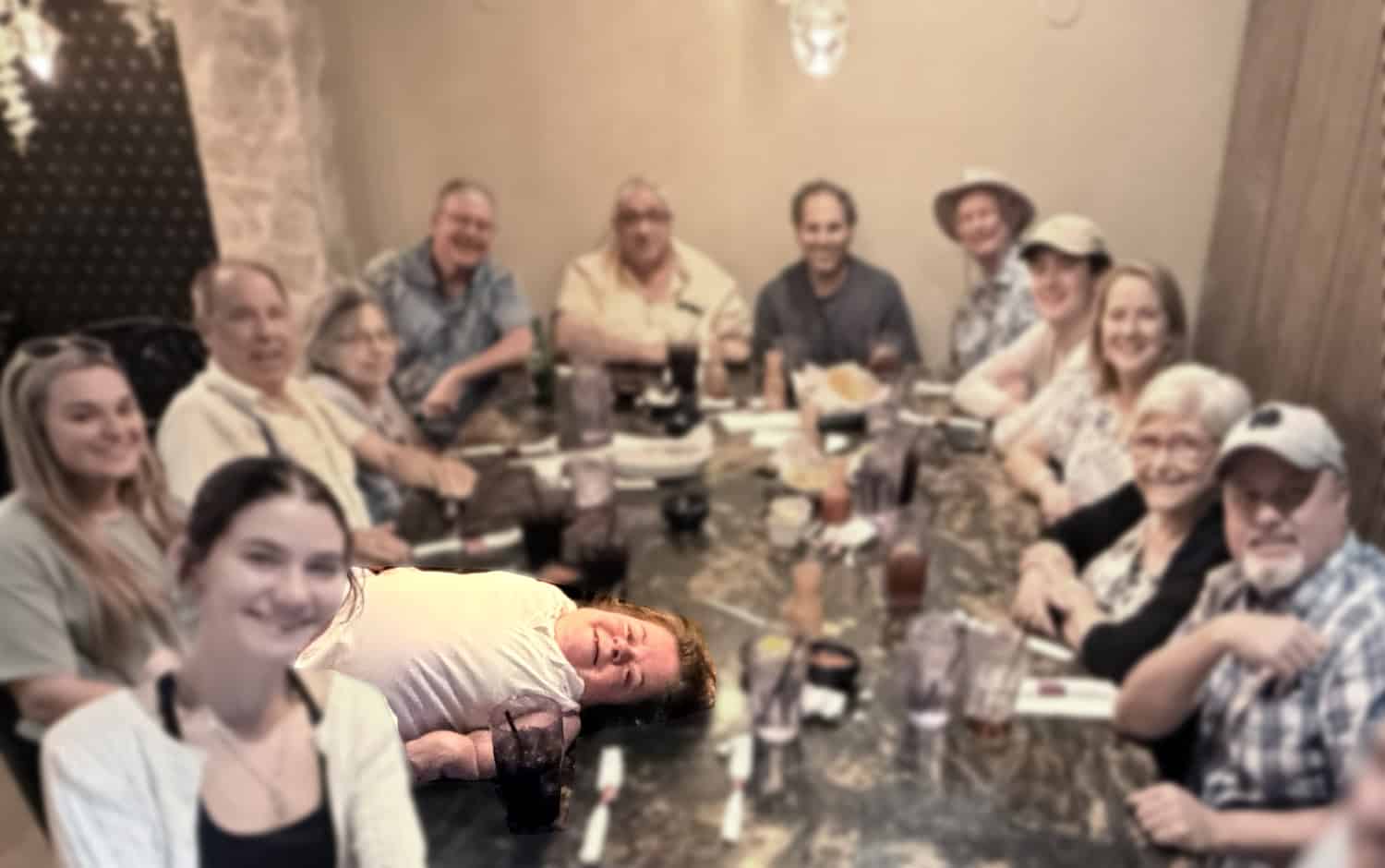
Instead, I had to leave my wheelchair in another part of the restaurant, somewhere I couldn’t see it or be near it. Then I had to be physically carried through the restaurant and laid on the table with everyone else.
Yes. On the table.
It was one giant table, so I was essentially in the middle of everyone. There were people behind me. There were plates, glasses and food all around me. People were worried I was going to knock over a drink. For the record, I was not going to knock over a drink.
But the bigger problem wasn’t the drinks.
If you have never been in that position, it is hard to explain how uncomfortable and demeaning it can feel. I couldn’t easily see what was happening around me. I wasn’t positioned like everyone else. I didn’t have the independence that my wheelchair gives me. Instead of simply being another person at a birthday dinner, I was suddenly very aware that I was the person who had to be accommodated differently.
And I hate that feeling.
My wheelchair is not something that gets in the way of my independence. My wheelchair is my independence. When I am separated from it, carried somewhere and placed in a position where I have less control over my surroundings, I don’t feel equal to everyone else at the table.
And none of this was my neighbors’ fault.
They didn’t call ahead and ask whether the restaurant was accessible because, as far as any of us knew, it was. I had eaten there before. I could enter the building. I could eat in the main dining room. There was no reason for anyone to assume that booking a private party suddenly changed the accessibility of the restaurant.
But apparently it did.
I made it through dinner, but I was physically uncomfortable and mentally uncomfortable. It simply wasn’t an enjoyable experience (though the company was lovely!).
When I got home, I decided to contact the restaurant. I wrote through the contact form on their website explaining what had happened. I also sent them a message through Facebook.
I never received a response.
And, in some ways, that has bothered me almost as much as the original experience.
I’m not expecting every business to anticipate every possible need of every person who walks through its doors. Accessibility can be complicated, and sometimes there are legitimate limitations.
But when someone tells you, “This part of your business excluded me, and here is a relatively simple way you could make it better,” I think that deserves a response.
Even if the answer isn’t immediate. Even if the restaurant needs to look into it. Even if there is some reason a portable ramp wouldn’t work that I don’t know about.
Just acknowledge it.
Because one simple purchase could have completely changed my experience that night. Instead of being carried through a restaurant and laid on a table, I could have rolled into the room in my wheelchair and celebrated a birthday with my neighbors just like everybody else.
That’s what accessibility is really about.
It isn’t about special treatment. It isn’t about making a huge production out of accommodating someone. It is about giving people the ability to participate in ordinary life with the same dignity, independence and comfort as everyone else.
What makes this situation especially frustrating is that I really like this restaurant. I’ve supported it. I’ve eaten there many times. I would like to continue eating there.
But now I’m not sure I want to go back.
Not necessarily because they weren’t prepared that night, but because when I reached out afterward and gave them an opportunity to listen, respond and possibly make the experience better for the next wheelchair user, I heard nothing.
Sometimes accessibility requires major changes.
And sometimes, it really is as simple as buying a ramp.