
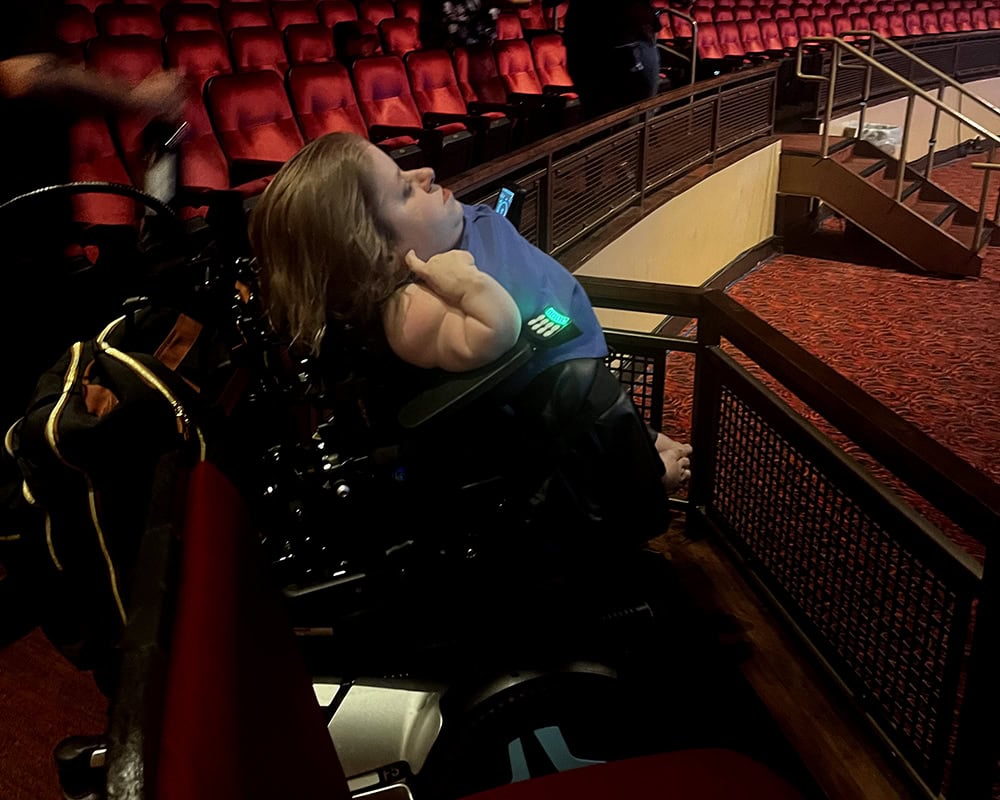
Last night was supposed to be a fun, music-filled evening with a good friend—one of those nights you look forward to for weeks. Instead, I left the IP Casino in Biloxi feeling frustrated, hurt, and frankly, a little stunned by how things played out. Discrimination will do that to you.
My friend and I had tickets to see country artist Ashley McBryde. I’ve seen her perform at the IP before and it was fantastic. In fact, I’ve been going to the IP for years because it’s one of the most accessible venues I’ve found. The stage is low, the sound is great, and—most importantly for me—the wheelchair seating has always been right up front on the floor. That positioning makes it easier for me to look up at the stage without straining my neck, which is a big deal for my comfort and enjoyment.
We arrived early. I was ready. The familiar security guard, Clay (always kind and helpful), came over and told me he’d get me in first so I could take the lift down to the floor—just like always. But then he came back a few minutes later with unexpected news: “They’re not allowing any wheelchairs onto the floor tonight.”
I was shocked.
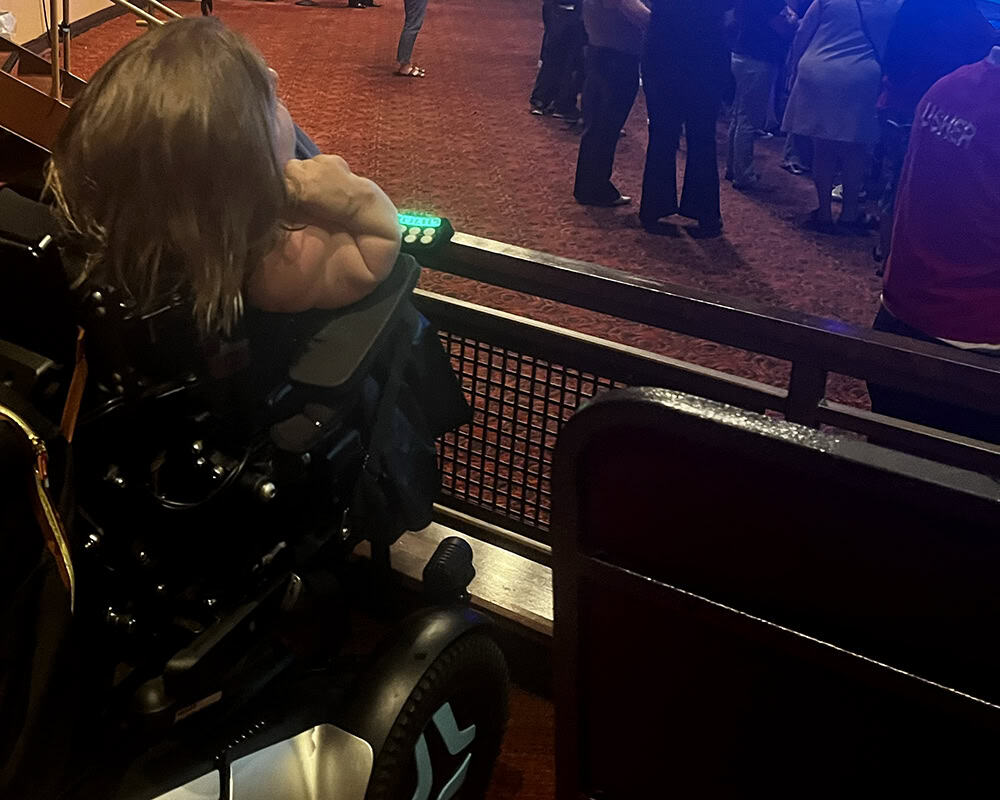
We had done this exact setup last year—for the same artist, no less—with no problems. I asked why the policy had changed, and he told me it was “over his head.” So I asked to speak with his supervisor.
That’s when I met Brie.
Brie told me bluntly, “It’s our policy. We don’t allow wheelchairs on the floor during pit shows.” I asked when this policy had changed, or why—did something happen? Was there an incident? Her response: “I’m not going to talk to you about that.”
She went on to say that if it were a seated show, they would allow wheelchair seating on the floor—because that’s where the accessible spots are located during those events. I pointed out that the lift, the layout, and the logistics of getting me in and out of the space hadn’t changed. Why was this suddenly a problem?
I understand that policies can change, but this one makes absolutely no sense.
This wasn’t a mosh pit. This wasn’t a hard rock show with wild crowds. It was a calm, country concert. The idea that I couldn’t be on the floor—where I had safely been so many times before—just felt discriminatory. It’s especially frustrating because I was physically able to access the space. I didn’t need help beyond what I’ve always needed: just use of the lift. And by the way, everyone who buys a ticket waives liability anyway—that’s standard.
Worse yet, there was no notice of this change anywhere. Not on the ticket, not in the confirmation emails, not on the venue’s website. I’ve since looked for it and found nothing. If this is the new rule, where is the transparency? People deserve to know before they drive 90 minutes, buy tickets, make dinner plans, and show up expecting the same access they’ve always had.
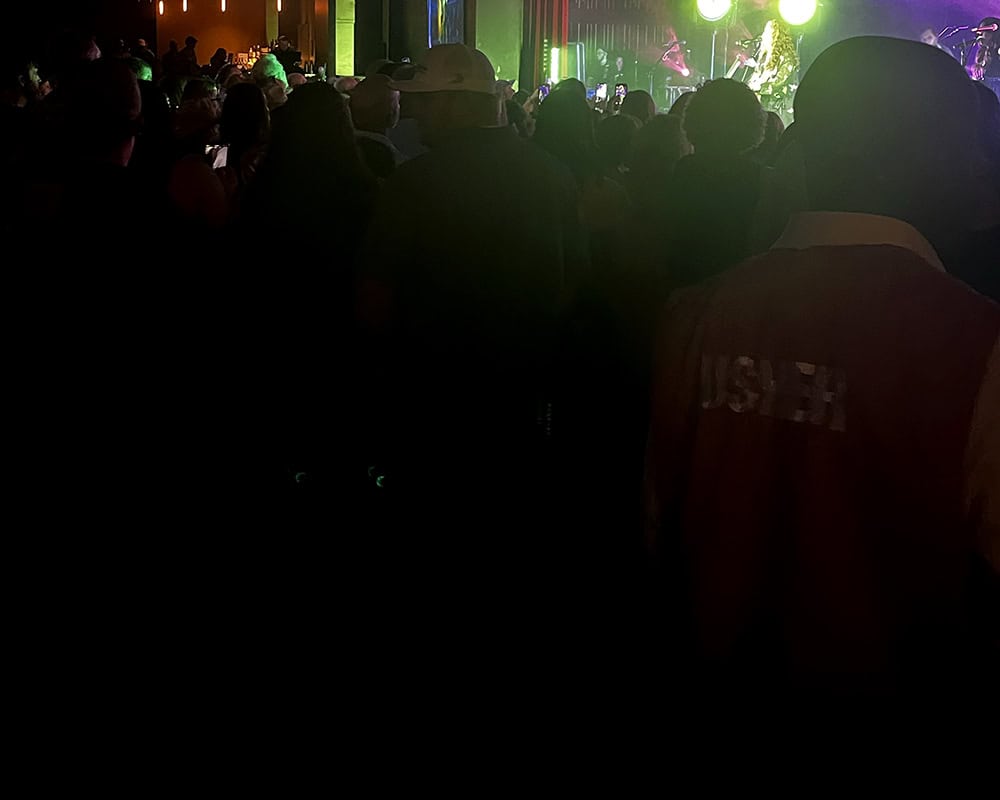
In the end, I was told I could sit just behind the floor in a slightly elevated section. But I couldn’t see the stage over the heads of the people in front of me. The angle was killing my neck, and I ended up watching the giant screen instead of the actual performance. It was painful—literally and emotionally, especially knowing that I could have been in the center, in the front row. We left after just the fifth song. What should have been a joyful night turned into an experience that left me feeling sidelined because of blatant handicap discrimination.
Brie said she called Ticketmaster on my behalf, and supposedly I’ll be getting a refund within 7–10 business days. We’ll see if that actually happens.
But here’s the bigger issue:
People in wheelchairs should be allowed to enjoy live music just like everyone else—especially when they are physically able to access the space safely. This wasn’t about safety. This was about bureaucracy that made no sense, with no communication, no flexibility, and no compassion.
We were ready for a great night.
Instead, we were pushed to the side—literally and figuratively.
And that’s not just disappointing. It’s discrimination on disabilities.